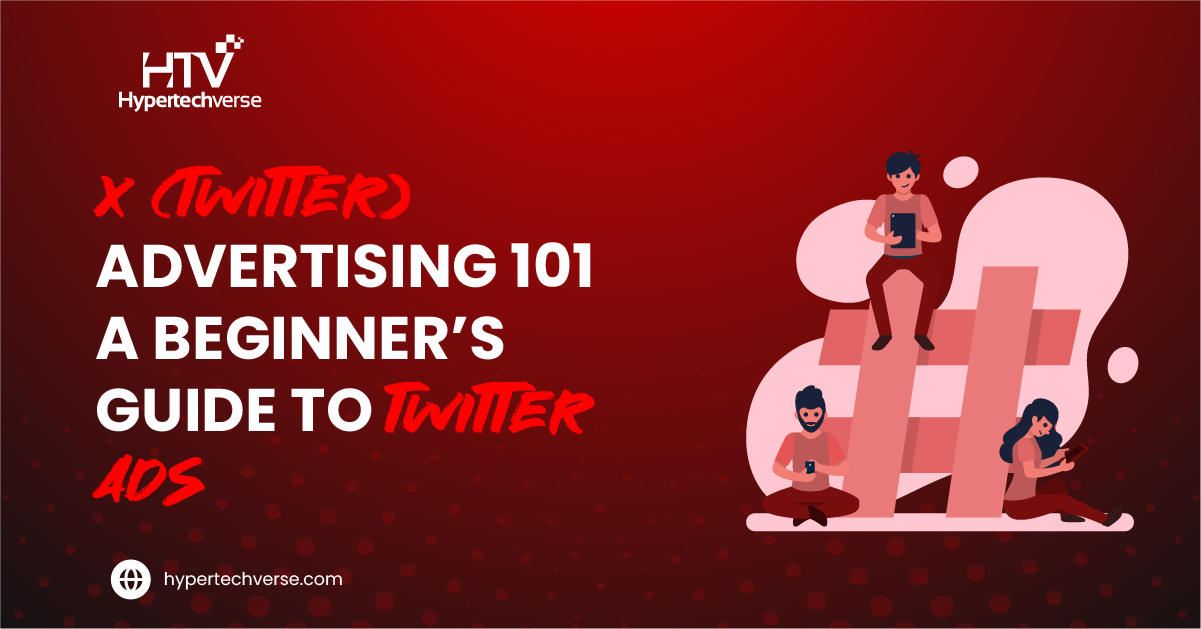
On X, advertising is quick, nimble, and efficient. The platform is real-time. Subjects are trending every minute. They can add your brand by means of precise advertisements and objectives. This primer will tell you how to begin. It also demonstrates to you how to scale confidently. Sentences are made short. The procedures are rather straightforward. The playbook can work.
1) Why X Ads deserve a place in your mix
X is performance-oriented. Individuals consult it several times a day. They visit to get news, jokes, and ideas. They also join in following the brands and creators. This sort of interest is worth attention. You have access to reach the users when they are already engaged. It is possible to make some real-time tests and learn fast. You can make it smaller and build up what works.
X plays well with the other channels as well. It makes it easy to introduce products. It augments content exposure. It builds retargeting loops. It is possible to raise awareness of X and seize with a search. When you have a story, you can start at X and finish with the mail. Your spark can be considered to be X. Your auxiliary stack keeps the fire.
2) How X Ads are structured
X has a recognizable ad model. You put on a campaign. Into it, you set up ad groups. In every group, you do creatives. Budgets and bids are at the campaign or group level. Targeting is at the group level. The artists exist on the group level as well.
This arrangement assists in making things structured. It aids testing as well. It is possible to test audiences between groups. Testing can be carried out among the same creatives. It is possible to freeze budgets in order to allow the comparison of ideas. Start simple. Develop the knack of growing structure.
3) Objectives: pick one clear outcome
Your objective tells the system what to optimize. Choose the one metric that matters most right now. These are the common options:
- Reach. Maximize the number of people who see your ad.
- Engagement. Drive likes, reposts, replies, and profile visits.
- Website traffic. Send users to a landing page.
- Conversions. Optimize for purchases or sign-ups after the click.
- App installs. Get downloads from mobile users.
- Video views. Push watch time on short or long clips.
- Followers. Grow your account with the right people.
Beginner Tip: orient toward the goal with the stage in the funnel. To make broad awareness, use Reach. Hot people in Use Engagement. Traffic or Conversions may be utilized. In any campaign, do not mix goals. Clean it up and make it measurable.
4) Ad formats you can use
X offers several ways to deliver a message. Each format has a job. Pick the one that fits your goal.
Promoted Posts.
These are ordinary posts. They do sit within timelines and seek. They may contain text, images, videos, polls, or carousels. Most advertisers make use of them as workhorses.
Promoted Accounts.
These assist you in earning followers. They are seen in timelines and who to follow. Apply them when a growth in the number of followers is the primary KPI.
Trend Spotlight.
These are in Explore. They provide big, time-based visibility. They are applicable in launches, occasions, and events with cultural glory. They are more expensive but able to dominate the attention.
Video Ads.
Short videos are easy to attract attention. Videos with a longer duration have a more extensive story. Mobile is assisted by sound-off captions. Video is compatible with retargeting.
Multi-Asset Posts.
These display a number of pictures/links on a single unit. They are toiling on product lists and feature tours. Make each card specific and neat.
5) Targeting: reach the right people
Targeting turns good creative into results. Combine a few precise filters. Avoid stacking too many. Keep the scale healthy.
- Location. Targeting by country, region, city, or radius.
- Demographics. Age, gender, language.
- Interests. Connect with consumers who pursue interests in subjects like technology, fashion, or finance.
- Keywords. Hook up people who seek or place ads with certain words.
- Look-alikes. Relate to similar people as the followers of the taken accounts.
- Personalized groups. Post up customer lists. Remarket on the site.
- Audiences. Market to those who watched your video or interacted with posts.
- Targeting of an event or a moment. Sync with holiday, sports, or a large broadcast.
- Learner trick: You should begin with two or three layers.
Example: country/language/two interests.
6) Creative best practices that work on X
X feeds move fast. You have a second to earn a pause. Keep creative, clean, and direct.
Copy guidelines.
Speak in straight words. Each post has only one idea, upfront on value, and not on fluff. Long intros are to be avoided. In line one, place the hook. Use verbs. Conclude with a Call to action.
Examples:
“Go live more quickly with no-code templates. Take them a try.”
“Real-time rules: cut 30 percent of the waste of ad money. Just look how.”
“Scale content in hours, not weeks. Book a demo.”
Visual guidelines.
Use high-contrast images. Avoid tiny text on images. Use faces for trust. Use product close-ups for clarity. Keep brand colors consistent. Add captions to videos. Show the result, not just the product. Before-and-after frames perform well.
Offer guidelines.
Be specific. “Save time” is vague. “Publish in 4 clicks” is clear. Show social proof if you have it. Use numbers, timelines, or named clients. Short beats long. Proof beats claims.
CTA guidelines.
Tell people what happens next. “Learn more,” “Get the guide,” “Start free,” or “Join the waitlist.” Match CTA to page intent. If the page is long-form, use “Learn more.” If it is a quick sign-up, use “Start free.”
7) Budgeting and bidding without overspend
Set a daily budget that you can watch. Start small. Raise only after you see steady performance.
Bidding options.
Automatic bidding is fine for beginners. It finds a competitive price for your objective. Manual bidding gives control once you learn your CPA bands. Use it when you want to cap the cost per result.
Pacing.
Use even pacing for learning. Use accelerated pacing only for time-sensitive pushes. Do not burn your budget in the morning if your audience is active at night.
Allocation.
Split the budget across two to three ad groups. Give the top group 60%. Give the next two 20% each. Let performance decide the next shift. Move budget, do not add it, during tests.
8) Set up conversion tracking correctly
You cannot optimize what you do not track. Install the website tag or pixel. Track at least three events:
- View content. Fires on key pages.
- Add to cart or lead start. Shows mid-funnel intent.
- Purchase or lead submit. Your core conversion.
Map events to the right objective. Verify events in real time. Test both desktop and mobile. Use a tag manager if you have one. Label events clearly so you can report cleanly.
9) Build your first campaign step by step
Follow this simple flow for your first launch:
- Define one goal. For example, “25 trial sign-ups in 10 days at $10 each.”
- Pick the objective. Choose Conversions or Traffic, based on your tracking.
- Name the campaign clearly. Include month, goal, audience, and creative theme.
- Set budget and dates. Start with a modest daily cap. Run for at least seven days.
- Create two ad groups. One broad interest group. One follower look-alike group.
- Add targeting. Keep each group simple. Do not duplicate the same user too much.
- Upload three creatives per group. One image, one video, one carousel if relevant.
- Set bids. Use automatic for week one.
- Review placements. Include timelines and search.
- Launch and monitor. Check spend, CTR, and cost per result twice a day.
Keep your landing page tight. It must match your ad promise. It must load fast. It must show a clear path to action. Align the headline, image, and CTA with your ad. Remove distractions.
10) Landing page rules for X traffic
X users move fast. Your page must respect that pace.
- Match the headline to your ad hook.
- Show the value above the fold.
- Use one primary CTA.
- Keep forms short. Ask for only what you need.
- Use bullets sparingly. Prefer short paragraphs and icons.
- Add proof near the CTA. Use logos, ratings, or a short quote.
- Load under three seconds. Compress images. Minify code.
- Make mobile flawless. Most X traffic is mobile.
Measure bounce, time on page, and conversion rate. Fix the page before you scale spend.
11) Reporting: what to track and how often
Check spend, impressions, CTR, CPC, and cost per result on a daily basis. Indicate a sharp swing. Put on hold costly CPC ads.
Audience overlap, frequency, and creative fatigue should be checked twice the week. Shuffle stimmable in the event of a fast-rising frequency. Sharpen reach when it stagnates. Use full-funnel metrics weekly. Compare ad level ROAS or cost per lead against the target. Take a snapshot of export data. Write down test and decision notes. Retain a living, simple dashboard. A shared doc is okay.
Conduct a more in-depth review on a monthly basis. Observe group performance. See conversion lag. Incorporate Fold learning in the plan for next month. Choose to scale, choose to press pause and rethink.
12) Budget scaling without breaking performance
Step out scale. Do not overnight budget doubling. Take a 20-30 percent increase twice or thrice every day in case results stay. Create new ad groups in order to explore new reach. Throw a relaxation in before going hard. Observing frequency and CPA. Stop scaling when CPA is climbing and remains high.
Disperse spending on some winners. Do not pin the month on one ad. Cultivate a binder of battle-tested hooks and images. Switch them to combat overworking. Think of pods: each pod consists of one audience and two winning creatives. When you grow, add more pods.
13) Brand safety, privacy, and compliance
Defend your logo. Where possible, use exclusion lists. Stay clear of sensitive things unless that is your niche. Check placements where possible. Monitor responses to promoted posts. Conceal or act according to the need. Those are tones. Train your team.
Be respectful of the laws of privacy. Clarify your tracking and consent. Honor opt-outs. Protect your information. Secured workflows should be used in case you upload lists. Turnover lists as they go stale. Delete those subscribers who unsubscribe.
Tell the truth in advertising. Do not over-commit. Terms and pricing should be made clear. If an offer is limited, the limits should be stated.
14) Three sample strategies by business type
E-commerce.
Run a video showing the hero product in use. Pair with a carousel of benefits: target interest stacks and keyword fans. Retarget viewers with an offer. Send traffic to a fast, product-focused page. Use free shipping or a time-bound bundle.
B2B SaaS.
Lead with a pain point and a short demo clip, target followers who look like industry leaders. Promote a case study as a soft CTA. Retarget readers with a demo invite. Use a simple form. Hand off hot leads to sales with context.
Local service.
Use location targeting and a clear offer. Show staff and real clients. Promote seasonal services. Run short videos with captions. Drive to a booking page. Track calls if you can.
15) Common mistakes and quick fixes
Mistake: weak hooks.
Fix: write ten hooks for each idea. Pick the top two. Test them head-to-head.
Mistake: sending traffic to a slow page.
Fix: compress assets. Remove heavy scripts. Use a lightweight layout.
Mistake: too many targets at once.
Fix: simplify. Start with one audience per group. Add later.
Mistake: no retargeting.
Fix: build site and engagement audiences on day one. Launch a small retargeting group.
Mistake: “set and forget.”
Fix: Check results daily. Make small, clear edits. Document each change.
16) Collaboration and workflow
Ads do better when teams align. Create a short brief for each campaign. Include the goal, audience, key message, and tone. Share example posts. Share landing page copy. Keep feedback tight and fast. Avoid long review cycles. Use a simple naming system across assets. Store everything in one place.
Set “office hours” for ad changes. Do not tweak all day. Make changes at set times. Let the data settle between edits. This reduces noise and speeds learning.
17) When to bring in automation
Once you have stable results, add rules. For example:
- Pause ads if CPC rises above your cap.
- Raise budgets by 20% if CPA stays below your target for three days.
- Rotate in a new creative when frequency crosses a threshold.
Automation enforces discipline. It also frees time for strategy and creative work.
18) Putting it all together
Start with one clear goal. Pick the right objective. Keep targeting simple. Lead with a strong hook and a clean visual. Send users to a fast pace with one action. Track the full path. Test one thing at a time. Document wins. Protect your brand. Scale only when results hold.
This is the beginner’s path. It is also the pro path. The difference is repetition and refinement. The more cycles you run, the better you get.
19) How Hypertech Verse can help
We build paid social systems that compound. We help you pick the right structure. We craft hooks that cut through noise. We set up clean tracking and reporting. We coach your team on weekly testing. We design fast pages that convert. We keep your brand safe and your spend smart.
If you want a done-with-you launch, we can start this week. If you want a full-service plan, we can own the playbook end to end. Either way, you get a clear process and steady results.
20) Final word
X rewards clarity, speed, and honesty. Keep your message sharp. Keep your tests small. Keep your learning visible. Do this for a month. Then do it again. Your compound gains will follow.
If you’re ready to launch your first campaign or to rescue a stalled account, Hypertech Verse is here to help. Let’s turn scrolls into clicks, and clicks into customers.
FAQs
1. Can I start X ads with a small budget?
Yes. X allows you to set daily budgets as low as a few dollars. You can start small, test your ads, and scale up when you see good results.
2. Do I need a business account to run ads on X?
No, you can use a personal account. However, having a professional or business profile improves credibility and trust.
3. How long does it take to see results from X ads?
Most campaigns need at least 5–7 days for the learning phase. This helps the algorithm find the best audience for your ads.
4. What type of ads work best on X?
Short, clear copy with strong visuals or short videos performs best. Always include a clear call-to-action (CTA).