Most writers lack the funds to sustain themselves since they only view writing as a one-time venture and not a business. Although releasing a book is an awesome accomplishment, a sustainable income level can be achieved through creating a career, which incorporates more than a book, an author brand, and other sources of revenue.
What Does SEO Stand For?
Consistency is a starting point for a long-term career. Good writers frequently publish new material on a regular basis, whether it’s a book release every year, blog posts, newsletters, or social media interactions. This continuous availability keeps readers interested, and the book sales do not end up stagnating after the release date. Another effective strategy is writing a series, as it promotes binge reading and creates anticipation for subsequent publications.
The other secret to a long life is diversification. Earning authors tend to branch out to other related opportunities: speaking, offering writing classes, developing online courses, and consulting. These can only supplement income, and build the reputation and reach of an author.
Teamwork also has the potential to boost career advancement. Writing books with a co-author, or even taking part in an anthology, or cross-selling with other authors, exposes you to new audiences and can help you sell more copies. Even successful authors spend their money on professional growth-attending conferences, taking courses, and being aware of the trends in publishing.
Why SEO Matters More Than Ever
Probably, most importantly, successful writers in the long term run their writing as a business. This will involve budgeting for editing, cover design, and marketing; determining measurable sales targets; and measuring income over a specified period. Thinking entrepreneurially will allow authors to build a sustainable career instead of having to depend on the performance of one particular book.
Being an author is not about gaining fame overnight, but rather patience, planning, and persistence. Those writers who invest in their profession, are willing to market their work and venture into the uncharted areas will have their earnings increase every single year, and they will have made their hobby a successful career.
The Core Elements of SEO
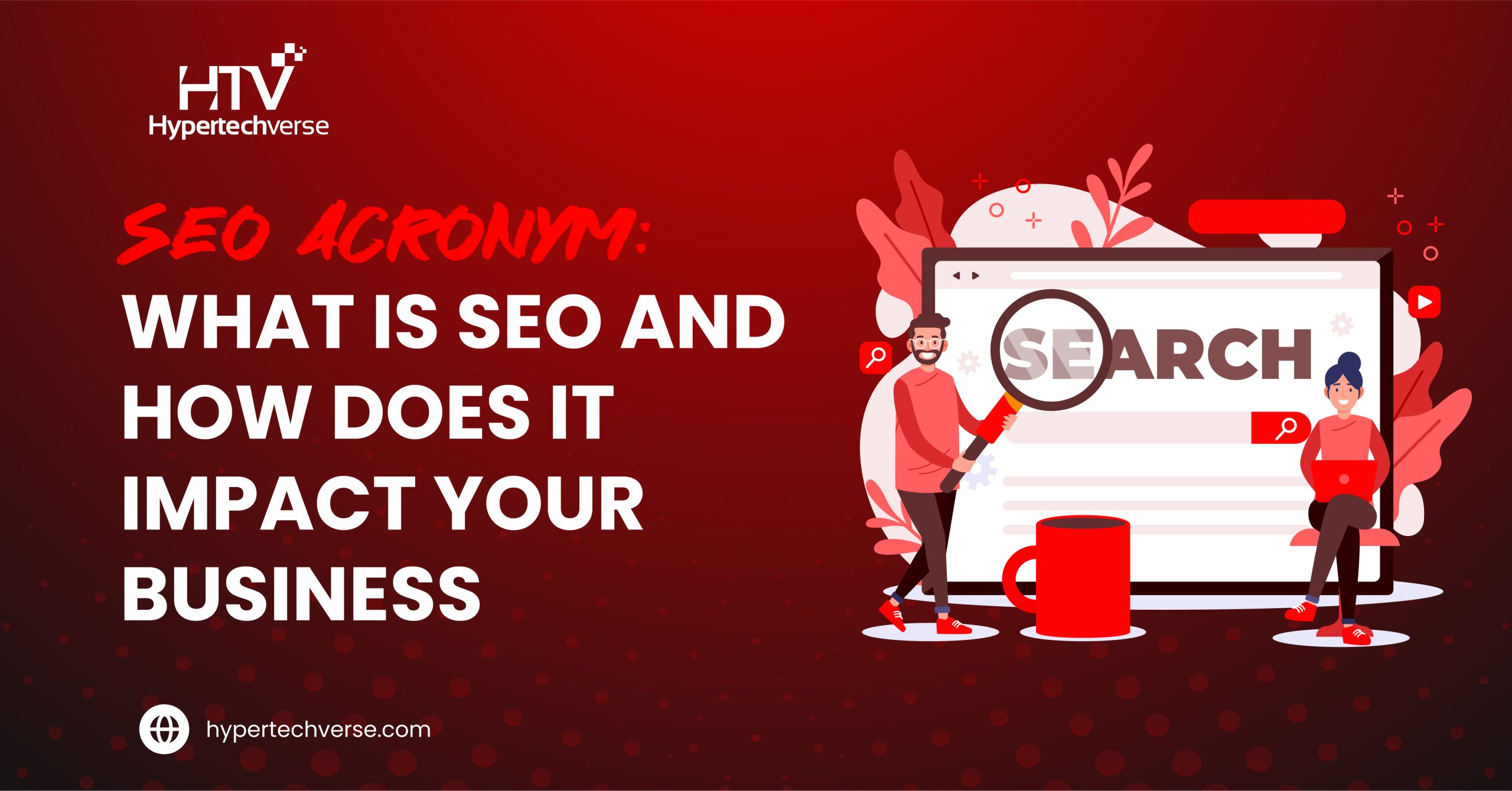
To understand SEO’s impact on your business, you need to know its three main components: on-page SEO, off-page SEO, and technical SEO.
1. On-Page SEO
On-page SEO focuses on optimizing the content and structure of your website pages. This includes:
- Keyword Research: Identifying the terms your audience uses to find your products or services.
- Content Optimization: Writing high-quality, relevant content that naturally incorporates keywords.
- Meta Tags and Headings: Crafting compelling Meta descriptions and organizing content with proper headers (H1, H2, H3 tags).
- Image Optimization: Compressing images and using descriptive alt text for better accessibility and rankings.
On-page SEO ensures that search engines understand your content and see your website as relevant to user searches.
2. Off-Page SEO
Off-page SEO refers to strategies that build your site’s credibility through external factors, such as:
- Backlinks: Links from other reputable websites that signal trustworthiness.
- Social Media Signals: Engagement on platforms like LinkedIn, Facebook, or Instagram can indirectly influence rankings.
- Brand Mentions: When your business is referenced across the web, it builds authority.
Off-page SEO is about reputation. The more trusted your website is, the higher you’ll rank.
3. Technical SEO
Technical SEO focuses on the backend of your site and its performance. This includes:
- Website Speed: Fast-loading websites improve user experience and ranking potential.
- Mobile Optimization: With most searches happening on smartphones, a mobile-friendly site is essential.
- Secure Connections (HTTPS): Security is a ranking factor and builds trust.
- Site Structure and Crawling: A well-organized site makes it easier for search engines to index content.
Together, these three pillars create a strong SEO foundation that supports long-term growth.
How Search Engines Rank Websites
To truly understand SEO, it helps to know how search engines work. When a user types in a search query, search engines like Google scan billions of pages and rank them based on relevance and authority. This process involves three main steps:
- Crawling: Search engines use bots (also called crawlers) to discover and scan websites.
- Indexing: Pages are analyzed and stored in a database, where search engines determine their relevance.
- Ranking: Algorithms evaluate hundreds of ranking factors, such as keyword use, backlinks, mobile friendliness, and user engagement, to display the best results.
SEO ensures that your website is both discoverable and appealing to these algorithms, giving you a higher chance of being seen by potential customers.
SEO vs. Paid Advertising
Other business owners ask themselves whether they need to invest in SEO or not, as they can just run paid advertisements. Whereas pay-per-click (PPC) campaigns offer rapid exposure, the campaigns cease to bring any results at the moment you pause the ad.
SEO, however, places an emphasis on the creation of long-term organic visibility. An optimized page will be able to drive traffic for months or even years without incurring expenses. The most frequently used approach is a combination of the two: PPC to achieve short-term outcomes and SEO to achieve long-term growth.
How SEO Impacts Your Business
SEO is more than just a marketing buzzword; it has measurable effects on business performance. Here are key ways SEO impacts your brand:
1. Increases Website Traffic
High search rankings lead to more clicks. Organic search is one of the largest drivers of web traffic, and investing in SEO ensures that people searching for solutions you provide will find you first.
2. Builds Brand Credibility
Ranking on the first page of Google gives your brand authority. People naturally trust businesses that appear at the top of search results, which can lead to higher conversions.
3. Improves User Experience
SEO isn’t just for search engines, it also benefits users. Optimizing your site for speed, mobile accessibility, and intuitive navigation makes it easier for customers to engage with your brand.
4. Delivers Long-Term ROI
Unlike paid ads, which require constant funding, SEO is a long-term investment. Once your website is optimized, it will continue to attract visitors without incurring additional costs per click.
5. Levels the Playing Field
Small businesses can compete with larger corporations through smart SEO strategies. Ranking well doesn’t always require a massive ad budget, it requires relevance, high-quality content, and consistency.
Local SEO: Essential for Small Businesses
For brick-and-mortar businesses or service providers, local SEO is a game-changer. Local SEO focuses on optimizing your online presence for location-based searches. For example, if someone searches for “plumber near me” or “best bakery in [city],” businesses with strong local SEO will appear in the top results.
Key elements of local SEO include:
- Google Business Profile: Claiming and optimizing your profile so customers can find your location, hours, and contact details.
- Local Keywords: Targeting phrases with city or region names.
- Customer Reviews: Encouraging positive reviews to boost local trust and rankings.
- Citations: Listing your business consistently across directories like Yelp and TripAdvisor.
For small businesses, local SEO ensures you don’t just compete online, you dominate your local market.
The Role of Content in SEO
Every SEO strategy is based on content. Even the best technically constructed site will not do well without quality and relevant content. The blogs, product descriptions, landing pages, and videos all aid in the success of SEO.
Content must do three things:
- Respond to or answer user questions.
- Incorporate relevant keywords naturally.
- Create an excellent user experience (readable formatting, graphics, layout).
Regular content production is also an indicator to search engines that your site is lively and assertive, and as a result, you can gain credibility with time.
Common SEO Mistakes to Avoid
Many businesses unintentionally sabotage their SEO efforts by making common mistakes:
- Keyword Stuffing: Overusing keywords makes content unreadable and hurts rankings.
- Ignoring Mobile Users: If your site isn’t mobile-friendly, you’re missing out on most traffic.
- Neglecting Backlinks: Not building relationships or acquiring quality backlinks limits your authority.
- Duplicate Content: Reposting the same content across multiple pages confuses search engines.
- Skipping Analytics: Without data, you can’t measure progress or refine your strategy.
Avoiding these pitfalls is just as important as implementing SEO best practices.
Conclusion: SEO as a Long-Term Growth Strategy
SEO, or Search Engine Optimization, is more than a marketing trend; it is a basis of the visibility, trust, and long-term business development. In an era where internet presence is key to success, investing in SEO is investing in your brand.
SEO offers startups an inexpensive and scalable means of competing digitally when it comes to attracting their first customers, as well as scaling to grow their reach once established.
When you are willing to manage your search positions and expand your business, The Publishing Legends can provide specialized search engine optimization, content development, and online marketing services to enable you to achieve success.