Introduction
Search engines continue to evolve, but one thing has remained consistent: the importance of trust and authority in ranking websites. While on-page SEO ensures your site is optimized for search crawlers and users, off-page SEO builds the credibility that helps you outrank competitors. In 2025, off-page SEO extends far beyond backlinks. Search engines analyze brand reputation, user sentiment, digital PR, and how people interact with your content across the web.
This guide explores what off-page SEO means today, why it matters, which factors drive results, and how to future-proof your strategy.
What Is Off-Page SEO?
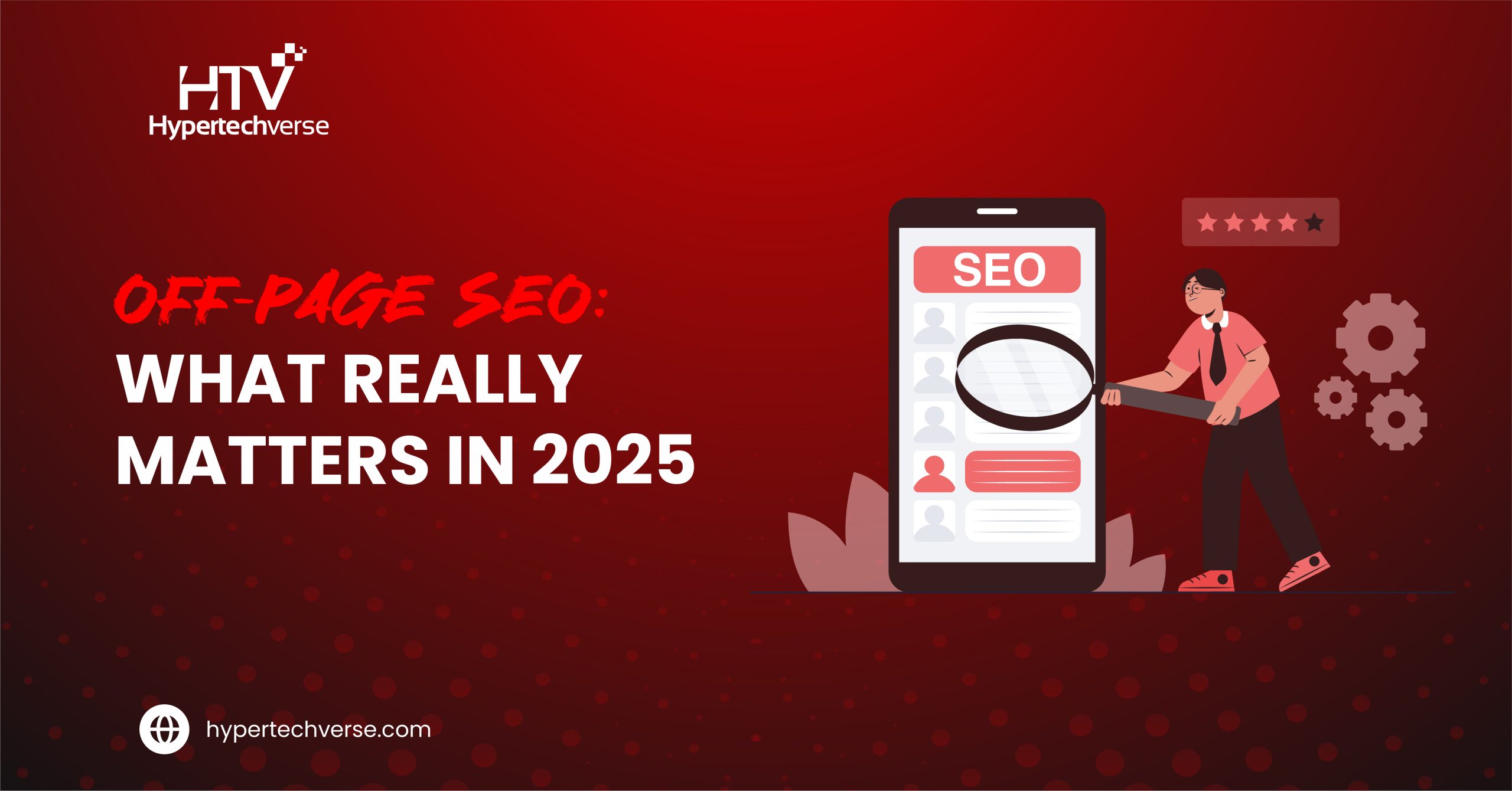
Off-page SEO refers to all the actions taken outside your own website that influence rankings. Unlike on-page SEO (keywords, headings, content structure), off-page signals come from external sources and help search engines judge your site’s authority and relevance.
Examples include:
- Backlinks from other websites
- Mentions of your brand without links
- Social engagement and shares
- Customer reviews and ratings
- Collaborations with influencers or industry leaders
In simple terms, on-page SEO builds your foundation; off-page SEO builds your reputation.
Why Off-Page SEO Still Matters in 2025
Algorithms in 2025 focus heavily on E-E-A-T (Experience, Expertise, Authoritativeness, Trustworthiness). On-page tactics alone can’t fully demonstrate authority. Off-page SEO bridges that gap.
- Credibility: If trusted sources mention or link to your site, Google views your brand as reliable.
- Authority: High-authority links and mentions signal leadership in your niche.
- Visibility: External signals broaden your reach beyond search, fueling organic growth.
- Trust: Reviews and consistent brand activity show search engines you’re legitimate.
Without off-page SEO, your site may struggle to compete in saturated markets, no matter how well-optimized the content is.
Key Off-Page SEO Factors That Drive Results
1. Backlinks
Backlinks remain the strongest off-page ranking factor. In 2025, it’s less about volume and more about:
- Quality: Links from authoritative, niche-relevant websites carry the most weight.
- Context: Placement within meaningful content matters more than sidebar or footer links.
- Natural Acquisition: Search engines penalize manipulative link-building schemes.
Earning links requires valuable content, outreach, and relationships with credible publishers.
2. Brand Mentions
Unlinked brand mentions are increasingly influential. When your brand is cited in news articles, forums, or industry blogs—even without a hyperlink—it signals authority. Search engines use entity recognition to connect mentions with your site, improving trust scores.
3. Social Media Signals
While likes and shares don’t directly boost rankings, they amplify content visibility. The more your content circulates, the more chances it has to earn backlinks. Social signals indirectly contribute by expanding brand awareness and driving referral traffic.
4. Reviews and Reputation
Reviews matter for both local SEO and overall trust. Google reviews, Yelp, Trustpilot, and industry-specific review platforms are critical indicators of credibility. Consistent positive reviews increase click-through rates and rankings.
5. Influencer and Partner Collaborations
Partnerships with influencers, thought leaders, or niche communities amplify visibility. A mention or link from a respected industry figure can carry more weight than dozens of smaller backlinks. Collaborations signal relevance and help foster natural link opportunities.
Strengthen Your Foundation
Strong off-page results depend on solid groundwork. Learn how On-Page SEO makes your site rank-ready.
Effective Off-Page SEO Strategies for 2025
Guest Posting (Quality First)
Guest posting is still valuable when done carefully. Publishing on reputable, niche-relevant sites provides exposure, referral traffic, and high-quality backlinks. However, generic guest post farms are now penalized. Focus on thought leadership, not link stuffing.
Digital PR and Thought Leadership
Digital PR is one of the fastest-growing off-page strategies. Press releases, expert commentary, and collaborations with journalists build brand awareness and secure authoritative backlinks. Publishing original research or insights often leads to media coverage.
Podcasts and Interviews
Podcasts are an overlooked but powerful channel. Featuring as a guest not only builds brand credibility but often earns backlinks in show notes and promotional posts. Similarly, interviews on industry sites create valuable authority signals.
Community Engagement
Participation in niche forums, online groups, and professional communities like LinkedIn or Reddit strengthens your brand presence. Answering questions, sharing insights, and adding value naturally leads to mentions and shares.
Content That Earns Links
Original research, surveys, infographics, and data-driven content are link magnets. Other sites cite such content to back up their claims. Creating evergreen, unique resources ensures steady backlink growth.
Building High-Quality Backlinks Safely
In 2025, search engines are better than ever at detecting manipulative link practices. Safe strategies include:
- Broken Link Building: Replace outdated or broken links with your relevant resources.
- Link Reclamation: Request credit when your brand is mentioned without a hyperlink.
- HARO/Help a Reporter Out: Provide expert insights journalists can cite.
- Partnership Content: Co-create content with industry partners for shared promotion.
Avoid:
- Link schemes or paid link networks
- Private blog networks (PBNs)
- Spammy directories
These practices risk penalties that can erase long-term progress.
Measuring Off-Page SEO Success
To evaluate your efforts, track both quantitative and qualitative signals:
- Backlink Profile: Monitor new and lost links with tools like Ahrefs or SEMrush.
- Domain Authority: Check improvements in authority metrics.
- Referral Traffic: Track visitors coming through external links.
- Conversions: Measure sales or signups from referral sources.
- Brand Mentions: Use tools like Google Alerts to monitor coverage.
- Sentiment Analysis: Assess whether mentions are positive or negative.
Tracking these metrics ensures you refine strategies based on performance.
Common Off-Page SEO Mistakes to Avoid
Many businesses still fall into traps that weaken their off-page SEO:
- Chasing Quantity over Quality: Hundreds of weak links can harm more than help.
- Over-Optimizing Anchor Text: Natural, varied anchors are safer.
- Ignoring Reputation: Poor reviews or negative press reduce authority.
- Neglecting On-Page SEO: Off-page signals only work if your site itself is optimized.
Success comes from balance—building a strong website and reinforcing it with credible off-site signals.
Future of Off-Page SEO
AI and Manipulation Detection
Search engines are increasingly powered by AI to detect unnatural link-building patterns. Authentic, relationship-based efforts will prevail, while shortcuts are penalized.
Voice Search Optimization
Conversational queries are growing. Being mentioned naturally in Q&A-style content and voice-friendly formats boosts discoverability.
Visual and Multimedia Signals
Podcasts, YouTube videos, TikTok mentions, and visual platforms now contribute to brand visibility. Multimedia content helps diversify authority signals.
Reputation and Trust as Core Factors
Search engines will continue prioritizing trust-based metrics—reviews, sentiment, and reputation—over traditional link spam. Brands that invest in genuine relationships and credibility will dominate.
Conclusion
Off-page SEO in 2025 is about building credibility across the web. Backlinks remain essential, but brand mentions, reviews, digital PR, and influencer collaborations all play critical roles. The most successful strategies focus on authenticity and sustainable authority, not shortcuts.
By investing in quality partnerships, creating valuable content, and maintaining a positive reputation, businesses can future-proof their rankings and strengthen long-term growth.
FAQs
1. What off-page SEO tactics work best in 2025?
High-quality backlinks, digital PR campaigns, influencer collaborations, and authentic brand mentions are the most effective.
2. Do backlinks still matter?
Yes, but only if they come from authoritative, relevant sources. Quality now outweighs quantity.
3. How do social signals help SEO?
They don’t directly impact rankings but expand reach, engagement, and the chance of earning backlinks.
4. What’s the difference between on-page and off-page SEO?
On-page is about optimizing your site; off-page is about external credibility signals like links, reviews, and mentions.
5. Is guest posting still effective?
Yes, when done on authoritative, niche-relevant sites with content that adds real value.
TL;DR Summary
Off-page SEO in 2025 is all about building trust and authority beyond your website. Backlinks still matter, but quality and context outweigh quantity. Digital PR, brand mentions, influencer collaborations, customer reviews, and social engagement are key factors shaping rankings. To succeed, focus on authentic relationships, value-driven content, and safe link-building practices. Avoid shortcuts like link schemes or spammy guest posts—search engines are smarter than ever. The future of off-page SEO lies in reputation, multimedia signals, and trust-based metrics that reward credible brands.
Grow Local Visibility
Reviews and reputation shape customer trust. Attract nearby buyers and improve rankings with Local SEO.